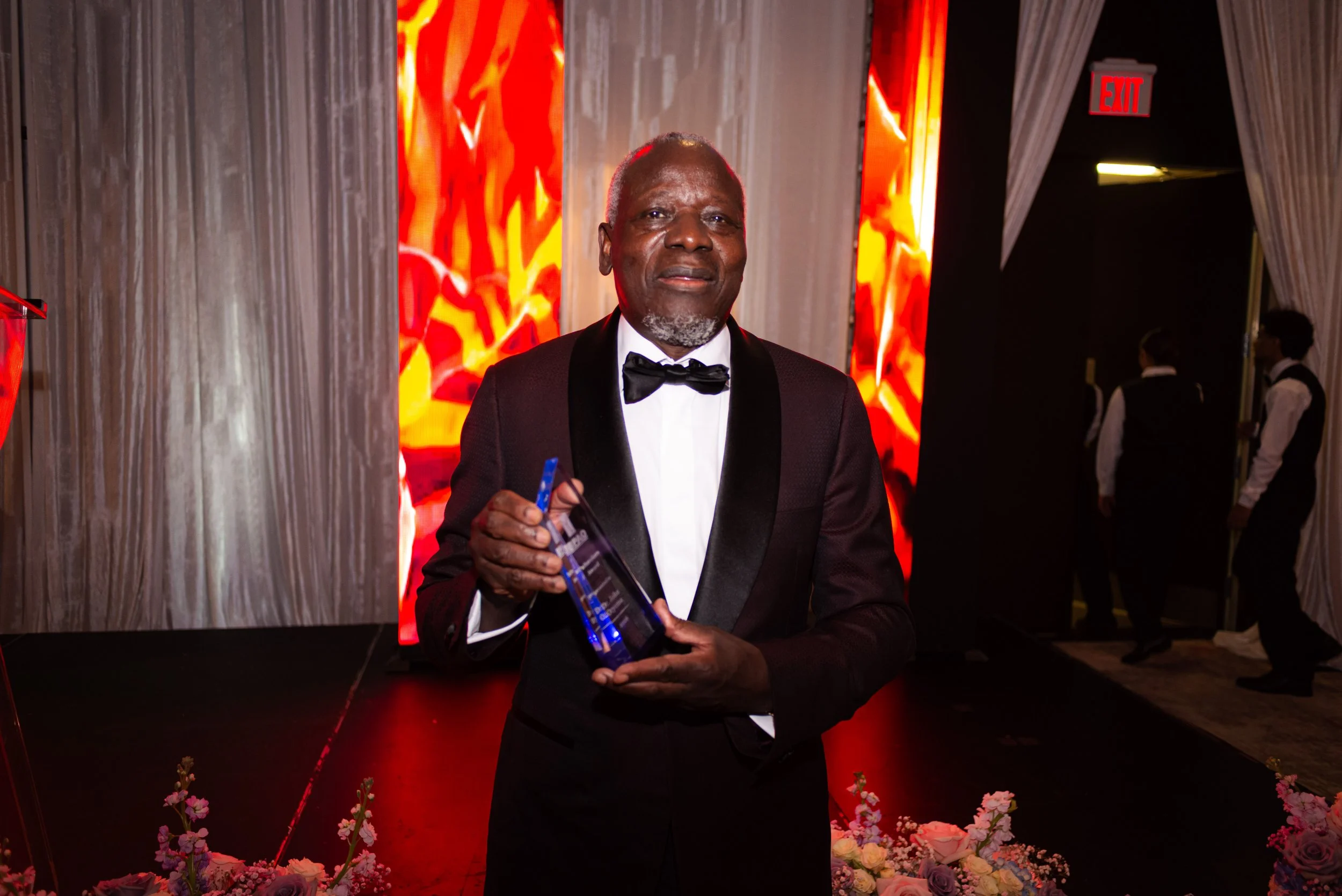
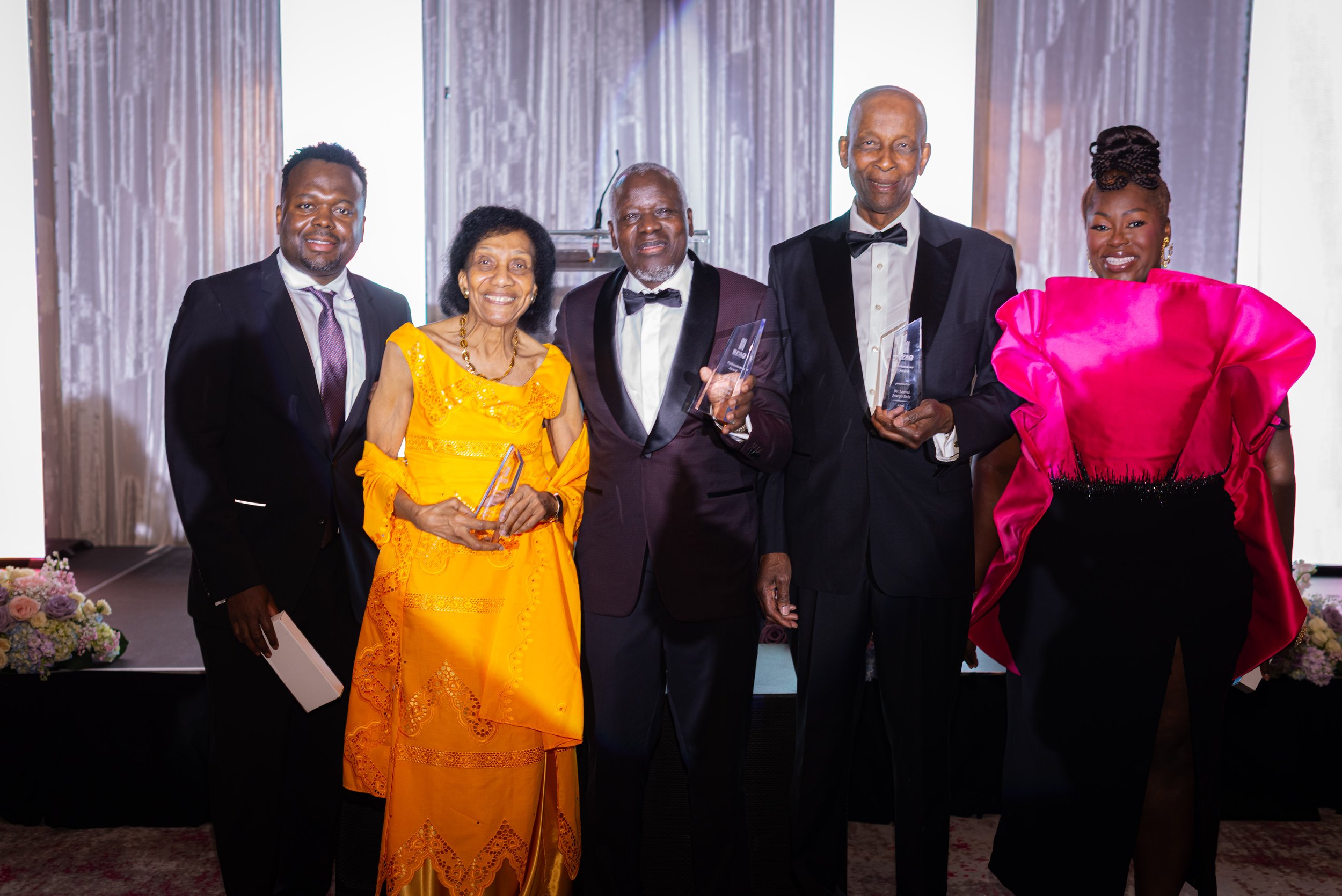
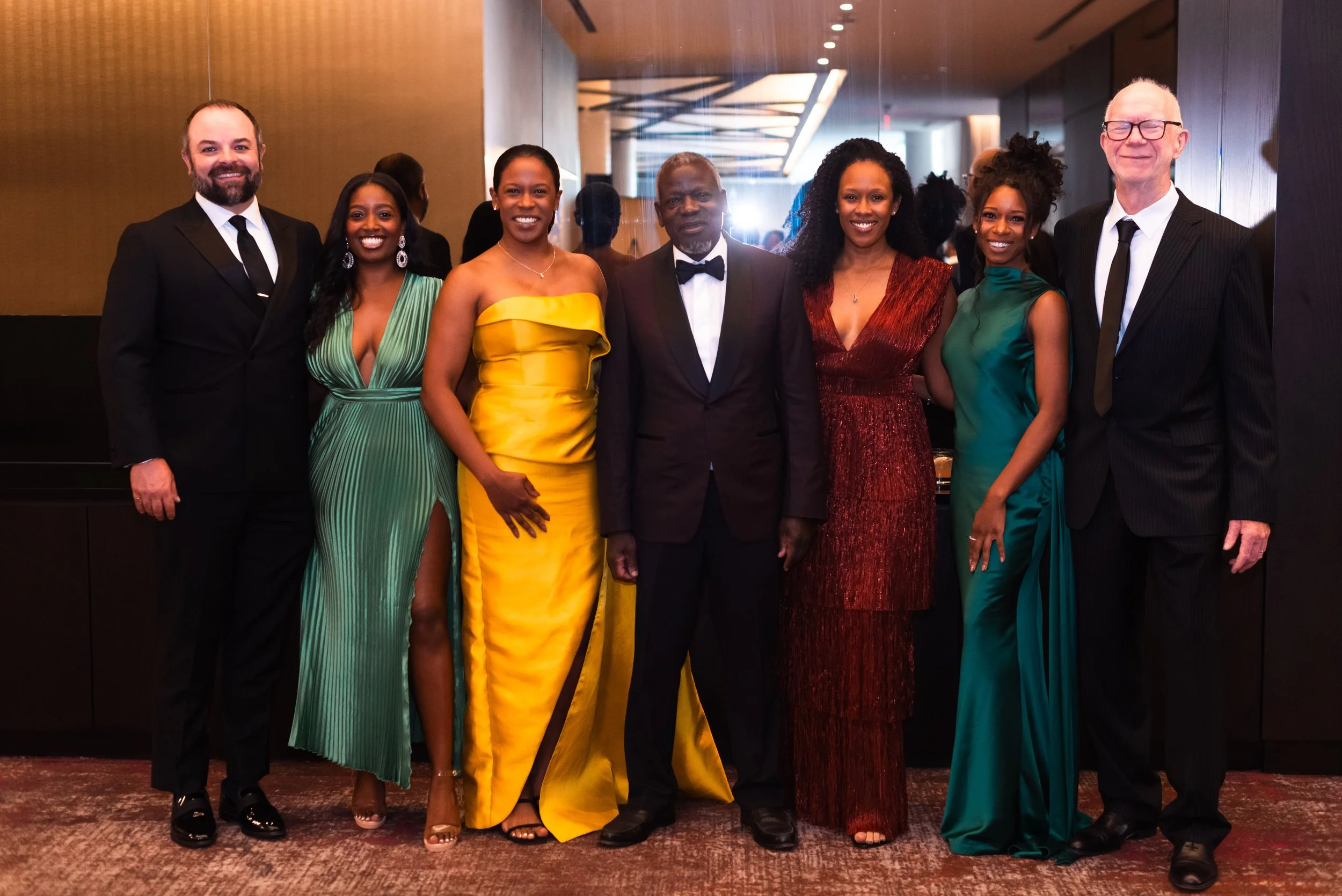
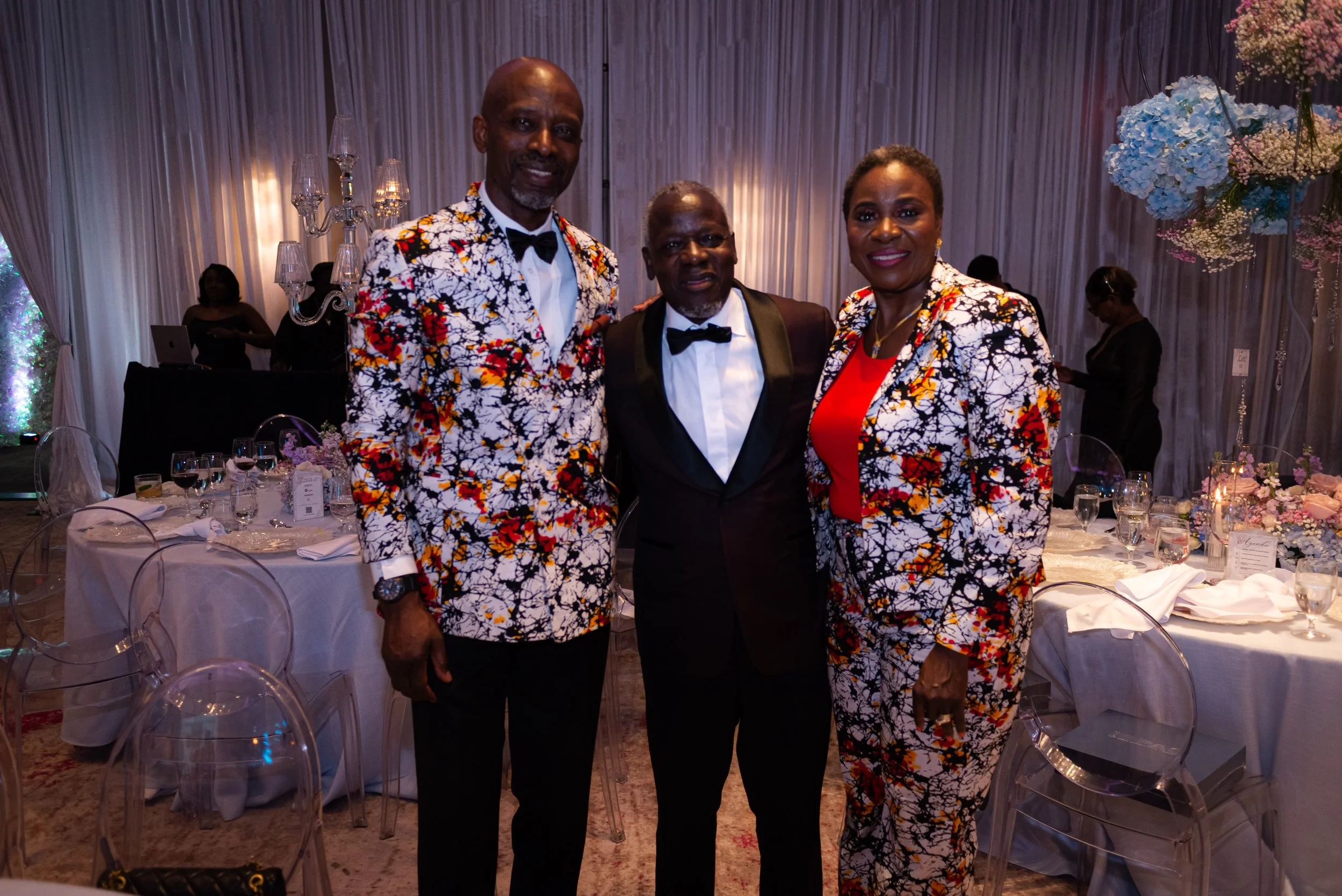
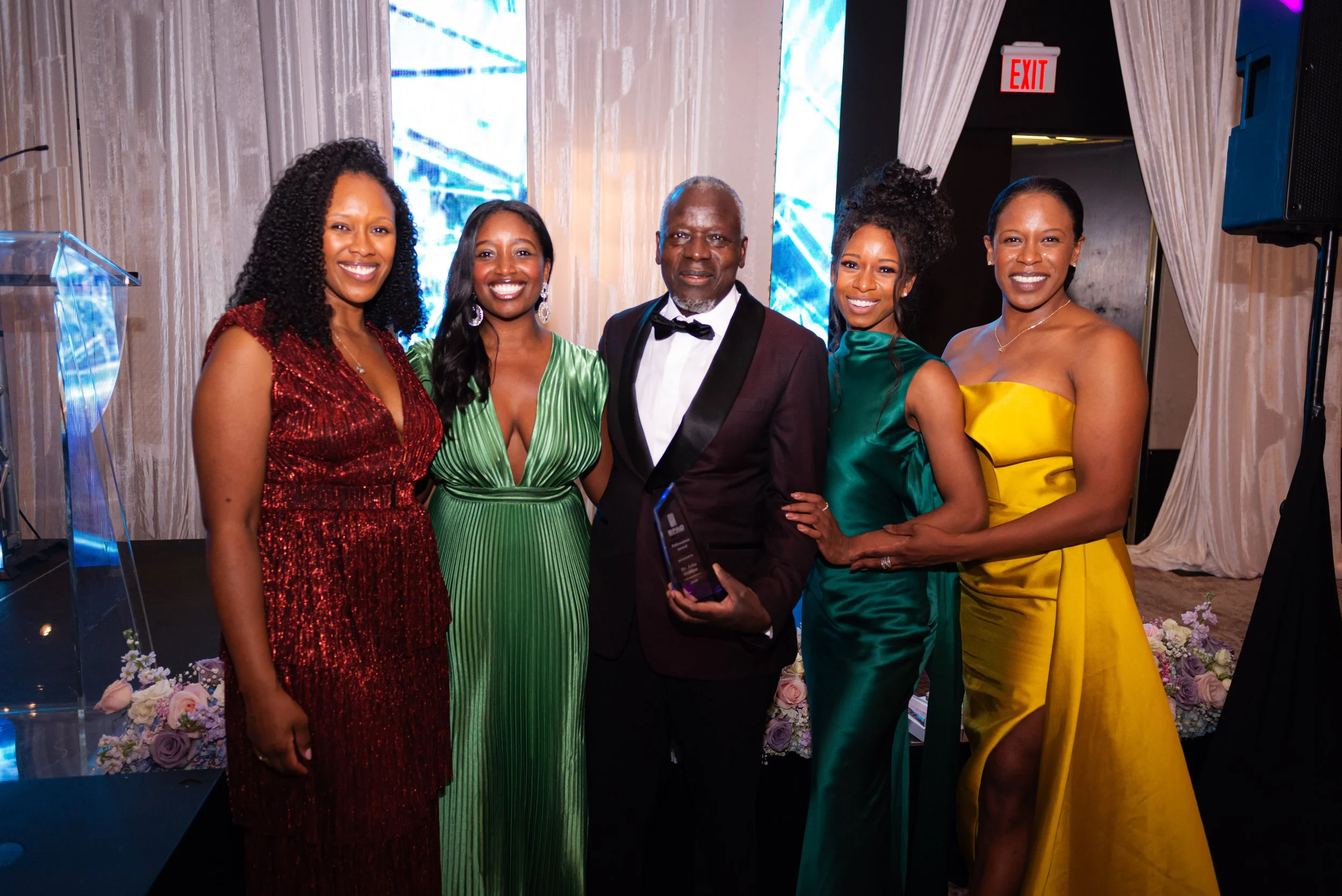
At our third annual gala, we were proud to present Dr. John Uma Oryema with the Pathmakers Award. Afterward, his daughter approached me and asked whether there might be a chance to share more about the remarkable man and physician her father is. This year our honourees didn’t have the opportunity to speak at the gala, and that is something we will change.
As she told me his story, I was deeply moved. I already knew Dr. Oryema as a colleague, but I hadn’t known the road he travelled to get here. It made me wonder: how many of us have a parent, a sibling, or a colleague doing extraordinary work quietly, without recognition? I couldn’t think of a better way to begin celebrating more of the Black physicians who hold our communities together.
Dr. Oryema is a bedrock of care in Scarborough. I see the depth of his patients’ trust firsthand: when I make a recommendation, they often tell me they’ll talk it over with Dr. Oryema first. That kind of trust takes decades to earn.
I hope you enjoy getting to know him as much as I have.
— Dr. Mojola Omole
President, Black Physicians’ Association of Ontario
Dad: A Physician Spotlight
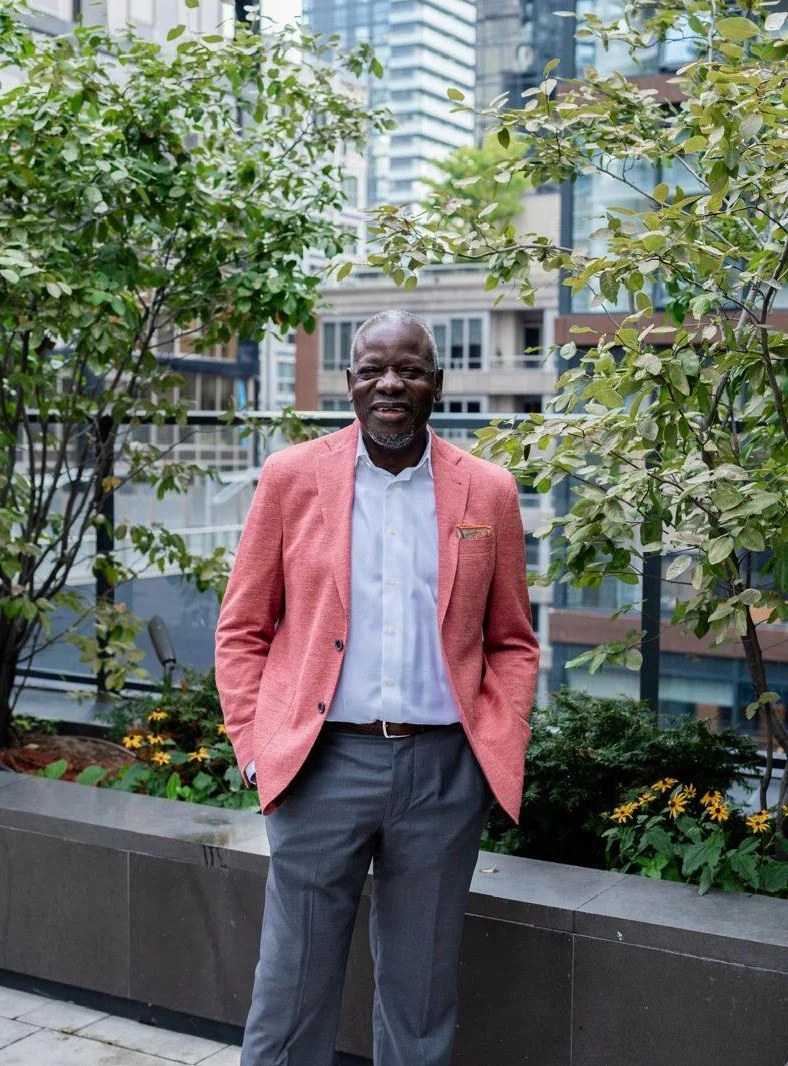
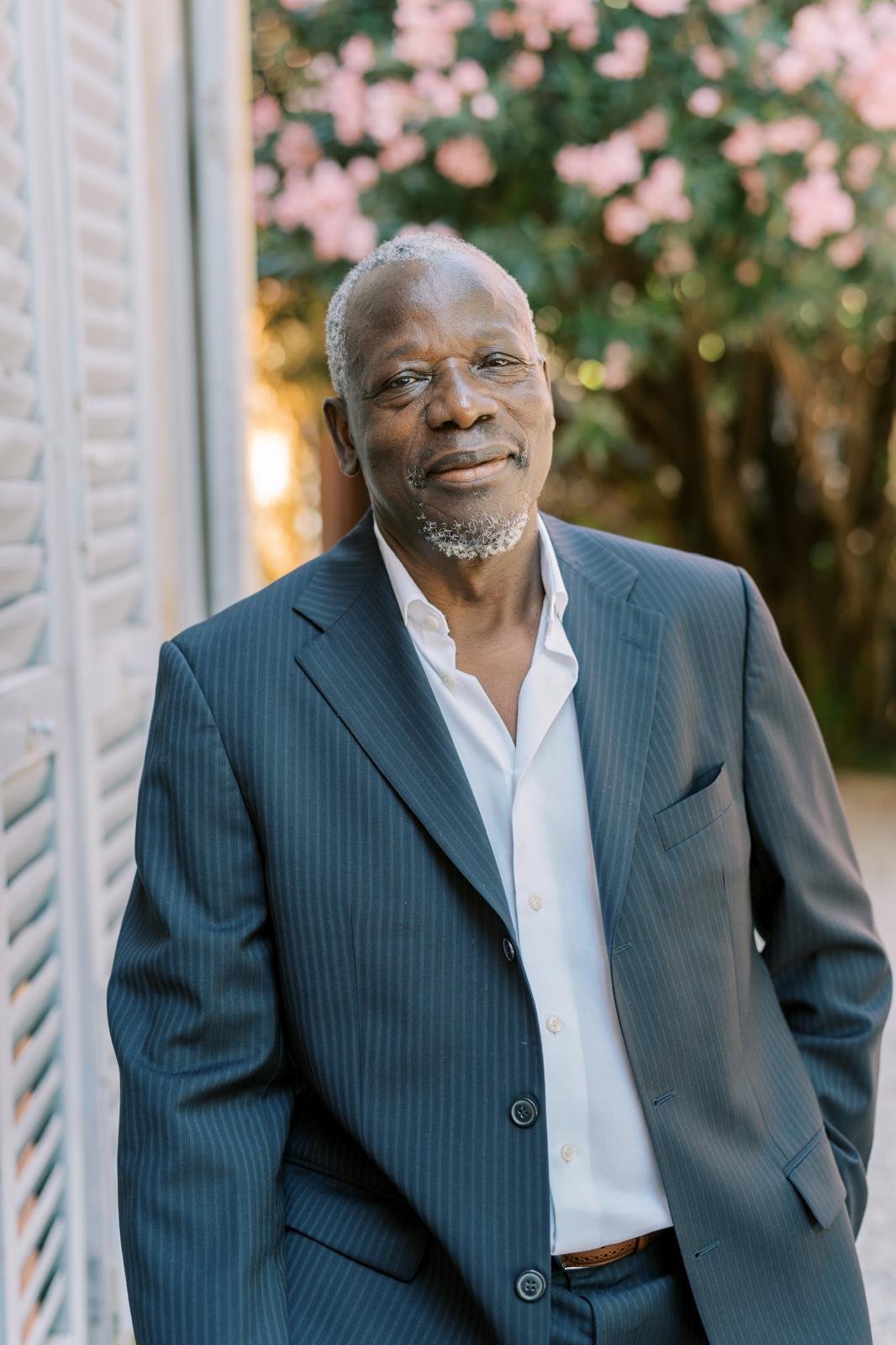
To his patients, he is Dr. John Uma Oryema. To his colleagues, he is a trusted physician and friend. To the people who came after him, he is someone who cleared the path. To us, he is simply Dad.
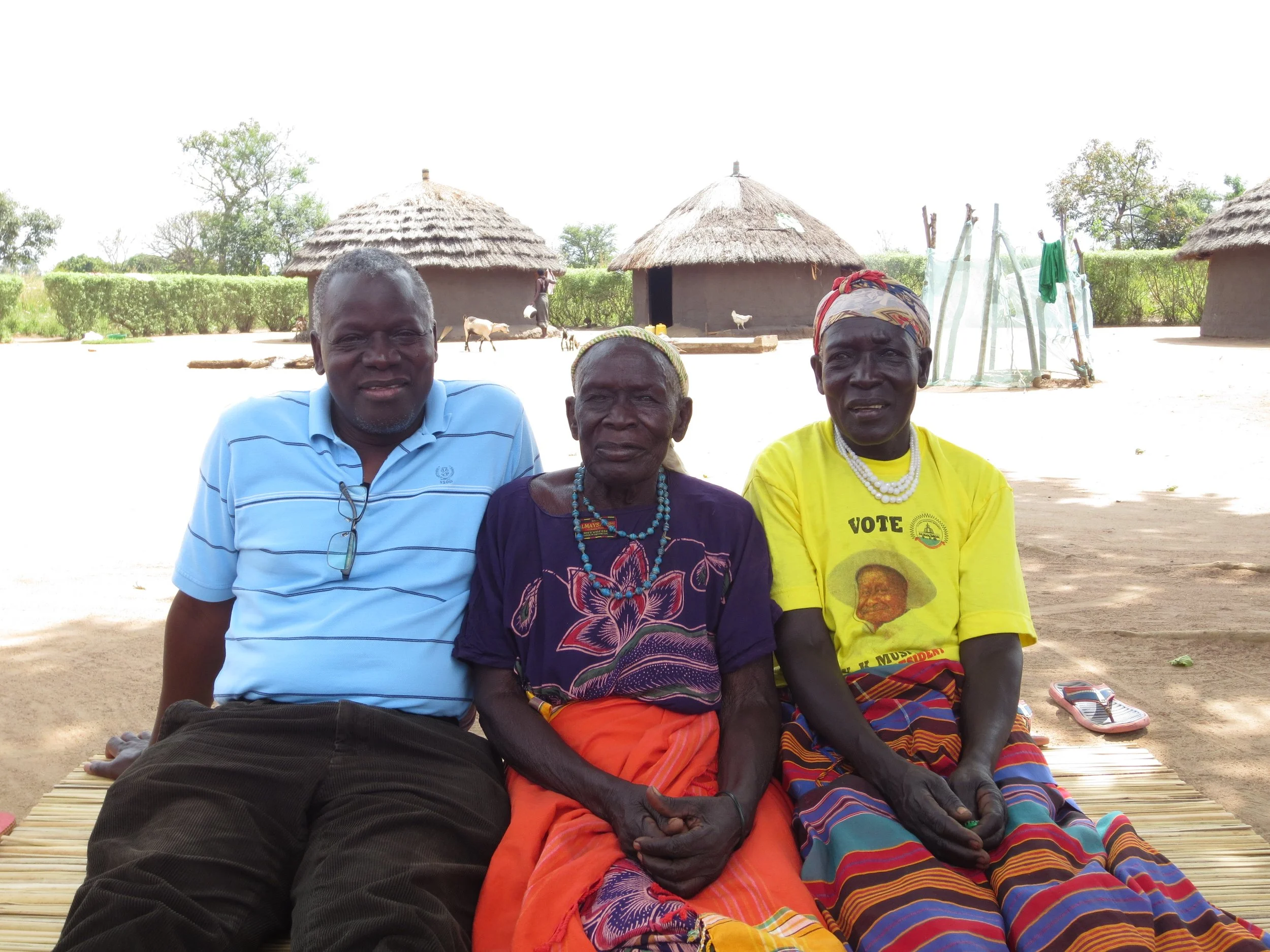
He was born in the village of Oguru, just outside Gulu town in northern Uganda, one of nine children of Bernardo Uma and Josephina Abwoyo. His parents farmed cassava, groundnuts and beans on their traditional land, and they believed that honest work always pays off. When Dad was eleven, his father died. It could have been the end of his schooling. Instead, his family saw something in him, a hunger for learning, and they gathered around him and made a quiet decision: whatever it took, this boy would study.
Ten kilometres to school, barefoot. Climbing a mango tree at break time because that was lunch. Studying late into the night by the light of a kerosene lamp. Pressing his only school uniform under his straw mat while he slept so it would be crisp in the morning. Spending school holidays in the fields beside his family, earning the fees for the next term.
Only as adults did we understand what he was really telling us. He never tells these stories as hardship, and he never asks for sympathy. To him, they were simply the steps. You took them because they led somewhere.
They led him to the top of his class and to one of the coveted government-funded places at university. When he had to choose between engineering and medicine, he chose medicine. He likes to joke that it meant more studying lying down. The truth, which he says more softly, is that he wanted to give back. He believed that when people are healthy, they can work, build, and care for their families, and a nation can rise. Medicine was how he could serve everyone, young and old, from every background.
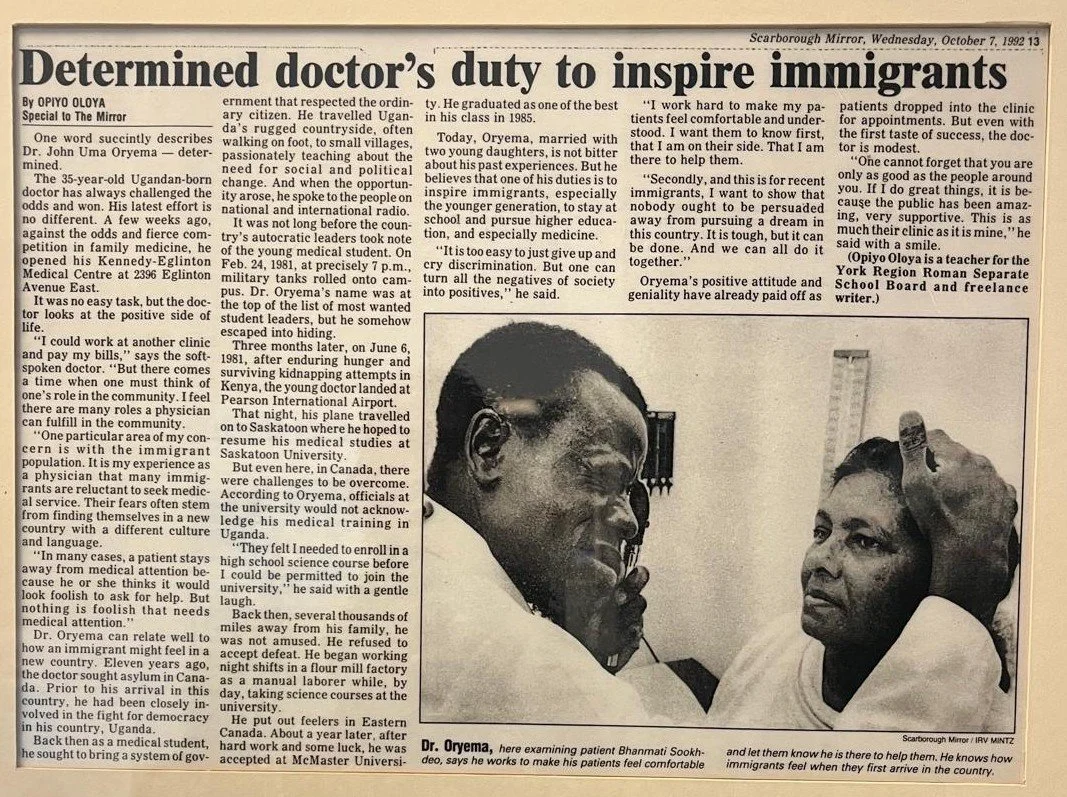
At Makerere University, then Uganda's only university, he found his voice. He spoke out against ethnic division and stood for national unity. In 1981, in his final year of medical school, he helped lead a protest so powerful it shut the university for six months. Ordinary Ugandans felt its impact. The government did too. He was named a political target, and almost overnight he had to leave. He left his family, his country, his nearly finished medical degree, and everything he had ever known. He had two dollars in his pocket.
We have tried many times to imagine that moment. We still can't.
Canada did not welcome him gently. His first winter was in Saskatchewan, a cold he had no words for. He did hard physical labour in a wheat factory. He faced racism in the education system, where some officials suggested he go back to high school. After four years of medical training, he started again from the first year. At McMaster University he was the only Black student in a class of about 100. Nobody in the room looked like him. He wanted to belong, and he decided that confidence and hard work would get him there. They did. By the time he graduated, his classmates had elected him president of the medical student association.
When he began practising, he saw people who reminded him of home. Patients from Caribbean, African and South Asian communities were struggling to get care. Many did not know how the system worked, which symptoms to take seriously, or what screening they needed. He knew what it felt like to be new and unseen, so he made these patients his life's work.
His way has always been patience. He sits with people. He answers fear and misinformation with facts, and he keeps answering until they understand. He tells them screening matters. He tells them not to stop treatment just because the numbers look better. Provincial data shows that his patients take part in screening at above-average rates. He is proud of that number, and he is proud of what it means: people living longer, healthier, fuller lives.
But ask his patients, and they won't talk about data. They'll tell you he knows them. When the lab calls, he doesn't need to open a chart. He knows the patient, their mother, their children, sometimes their grandchildren, because he cares for them all. To him, medicine has always been about relationships. You can't care well for someone you don't know.
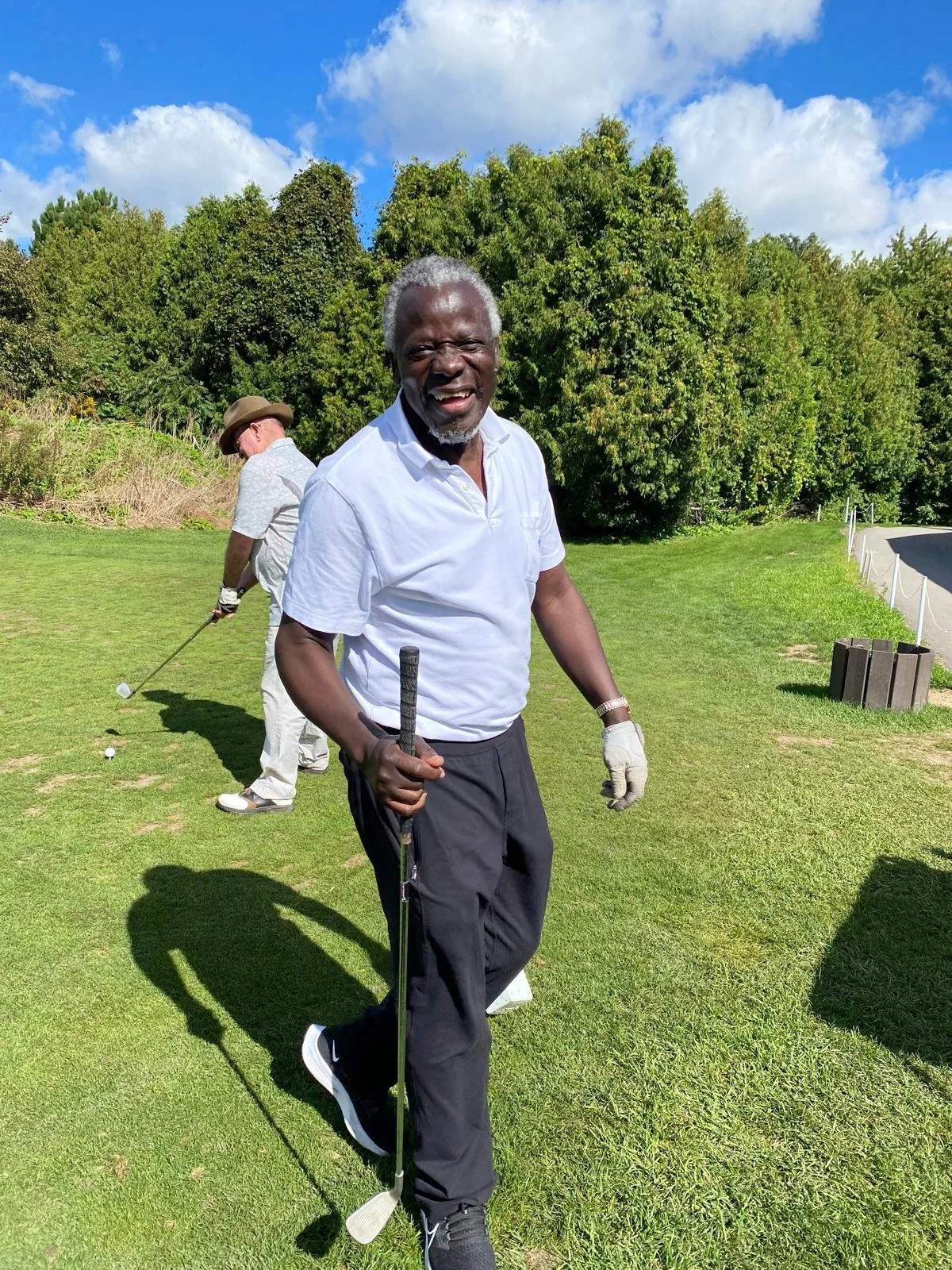
He is 70 now. He still works 12-hour days, and we have never once heard him complain. He calls it a privilege. When we tell him to slow down, he smiles. Someone needs him, so he goes.
His mission has never changed: to be there for communities that have had to fight harder for care, and to make the road a little easier for whoever comes next.
From a village in northern Uganda to the halls of McMaster to an exam room in Ontario where whole families trust him with their lives, Dad has walked every step with the same steady faith that the work is worth it. His patients are honoured to be in his care.
We are honoured, and so deeply proud, to be his daughters.
Nadia, Rachel, Vanessa, and Shoshauna Oryema