

On Saturday, November 15th the Black Physicians’ Association of Ontario (BPAO) hosted its 2nd annual Women’s Health CPD bringing together physicians, nurse practitioners, gynecologists, public health works, and other allied health professionals. The program was designed to strengthen participants’ ability to provide culturally safe, evidence-based care for Black and other racialized women across the reproductive lifespan.
The conference opened with keynote speaker, Notisha Massaquoi. Her session, Culturally Safe Communication & Shared Decision-Making emphasized the importance of trauma-informed, patient-centred approaches in clinical encounters. Participants explored strategies to mitigate bias, foster trust, and support collaborative care decisions, setting the tone for the rest of the day’s program.
The morning sessions then transitioned to clinical discussions, beginning with Dr. Marissa Joseph. Her lecture entitled Dermatologic Conditions in Richly Melanated Skin: Alopecia, Vulvar Eczema & Dermatoses dermatologic conditions in richly melanated skin. Dr. Joseph highlighted challenges in diagnosing and managing conditions such as alopecia, vulvar eczema, and other dermatoses, emphasizing the use of Black-centered diagnostic visuals and case examples to improve outcomes. The conversation naturally moved into menopause management with Dr. Omolayo Famuyide, addressing both the physical and mental health considerations during the transition to menopause. Dr. Natasha Rajah (PhD) led us to a discussion on Brain Health at Midlife Menopause, underscoring the importance of early recognition of changes in memory and cognitive function, highlighting opportunities for early detection and prevention of dementia in women. To close the morning sessions, Dr. Mojola Omole led the roundtable discussion Navigating Menopause in Diverse Populations which included Dr. Omolayo Famuyide, Dr. Natasha Rajah (PhD), Dr. Danielle Cuthbert, and Dr. Amanda Kenya leaving guests much to think and discuss over lunch.
After lunch participants Dr. Olexandra Koshkina led her talk on PCOS & Metabolic Syndrome where she encouraged inclusive clinical approaches that consider social determinants of health and emphasized gaps in current guidelines that disproportionately affect Black patients. The conversation deepened with Dr. Abeha Satkunaratnam’s discussion on Fibroids, Endometriosis, Adenomyosis, highlighting how structural barriers and racial biases can delay care, while sharing disparities in gynecologic care by condition, and structural barriers in reproductive care.
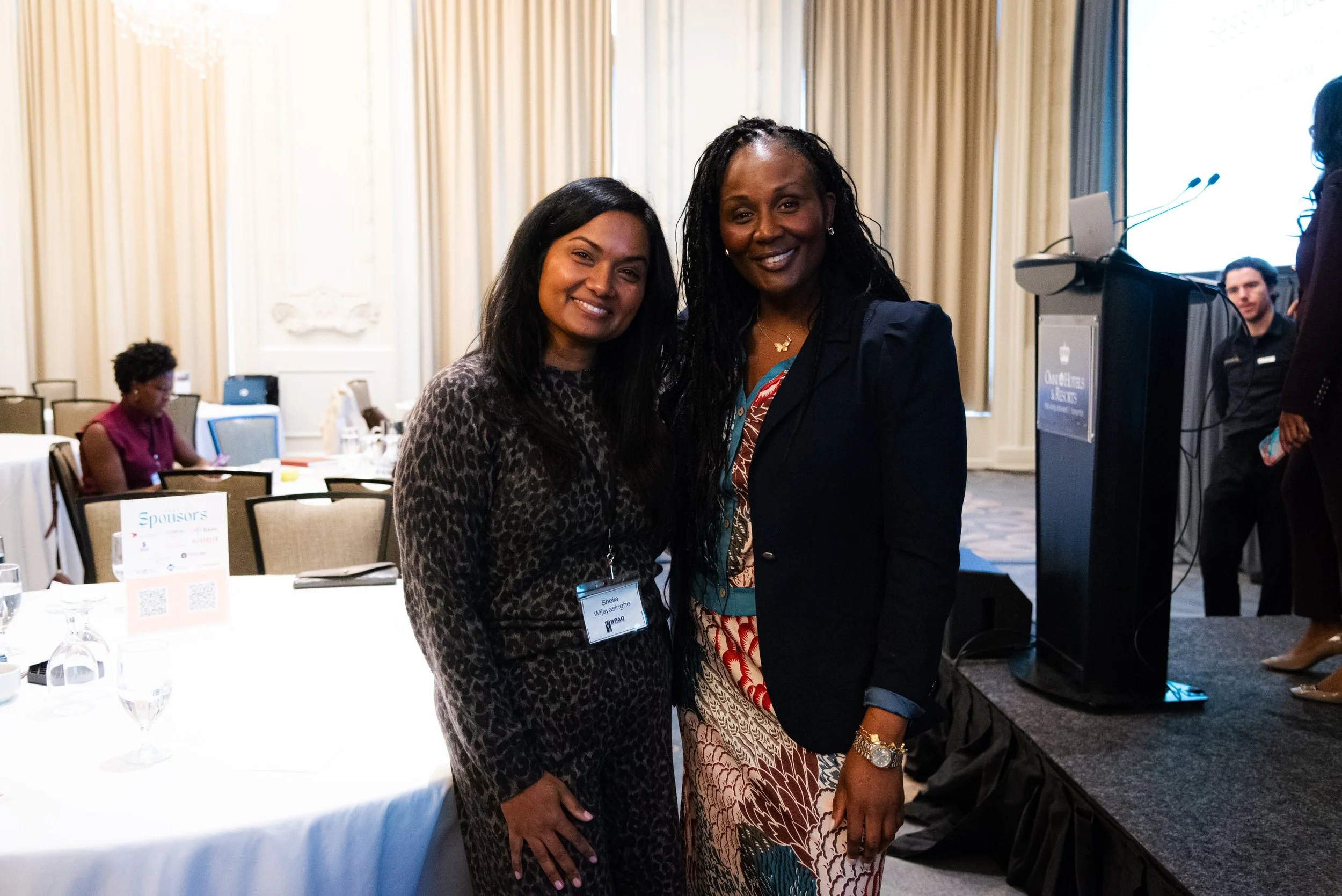
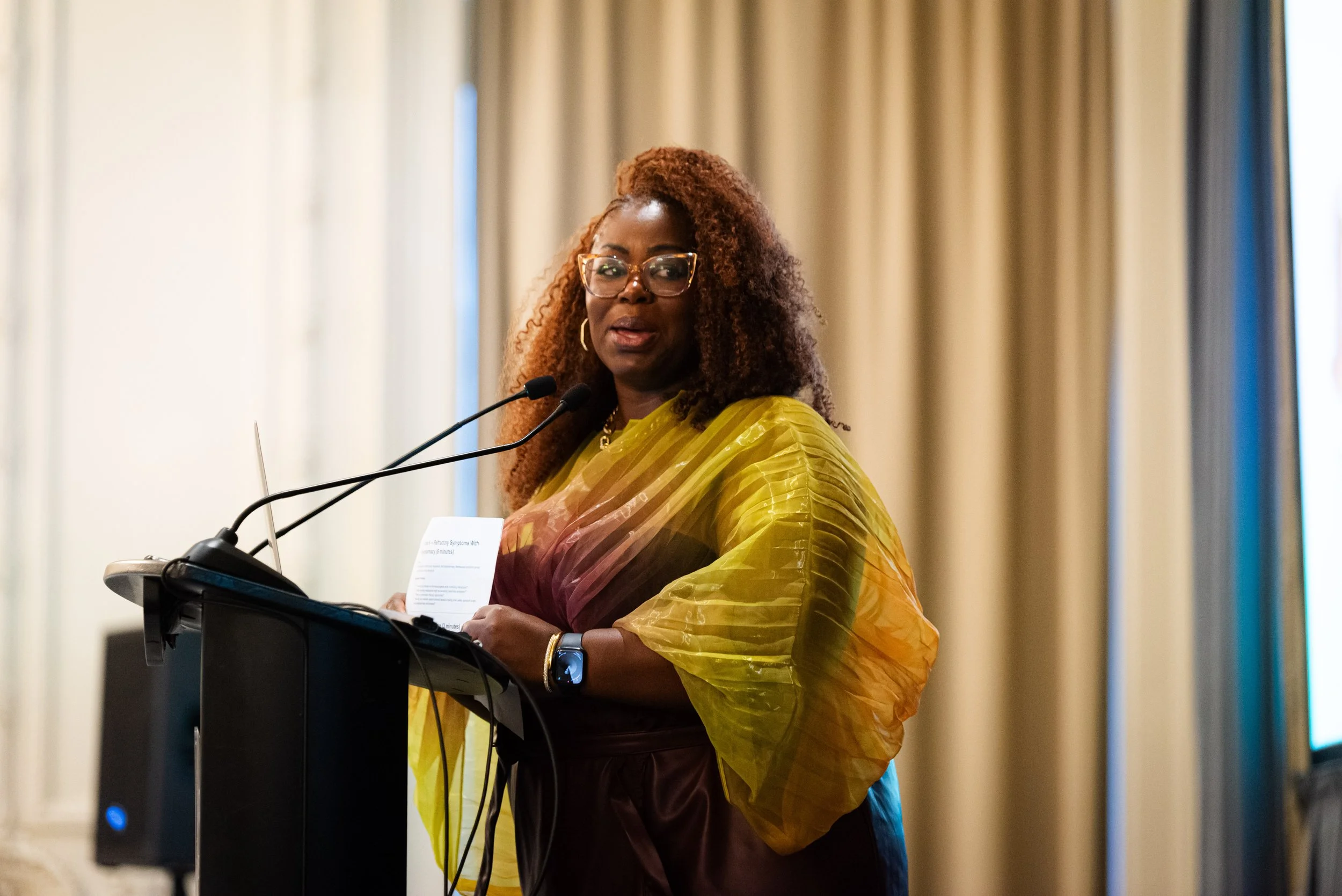
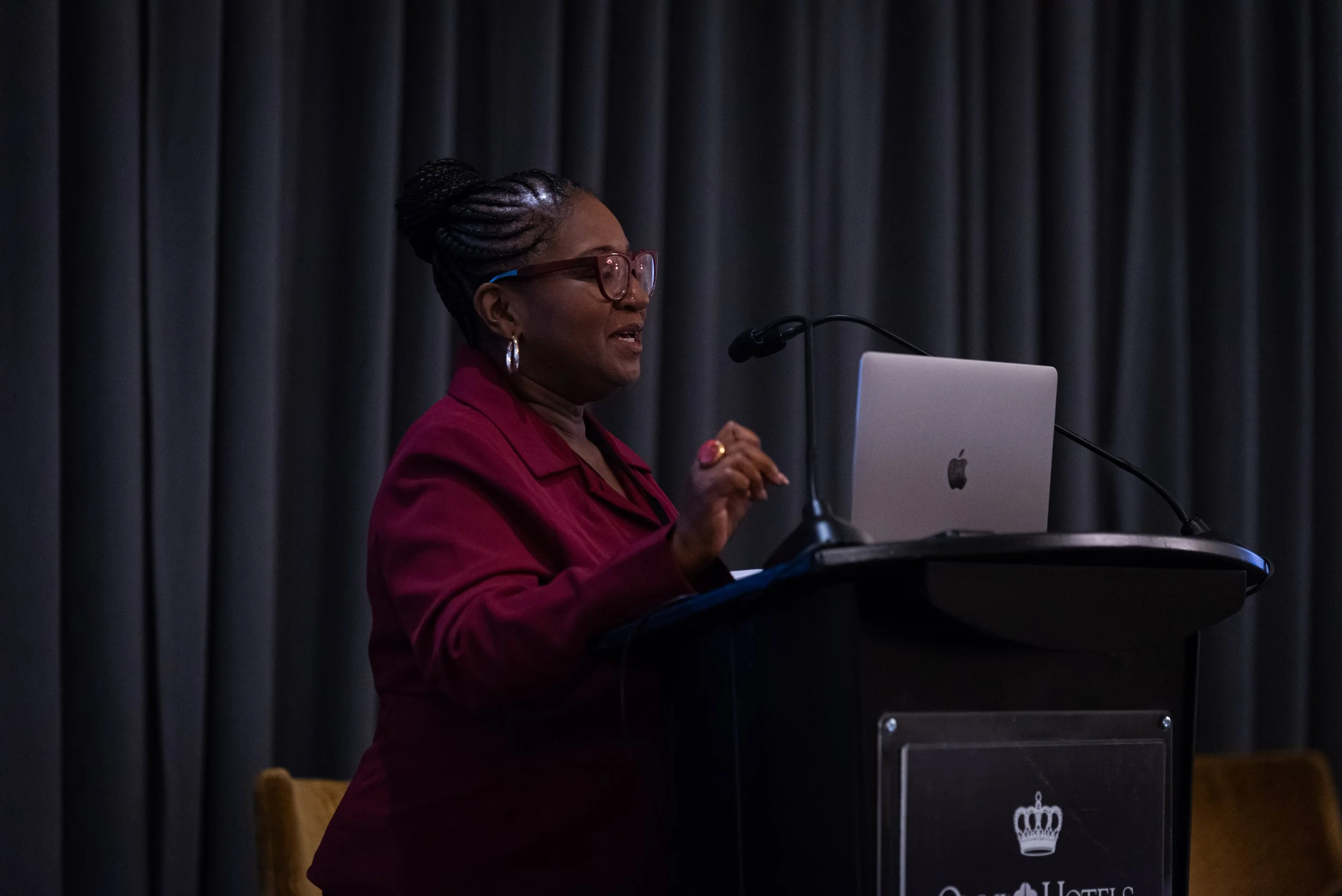
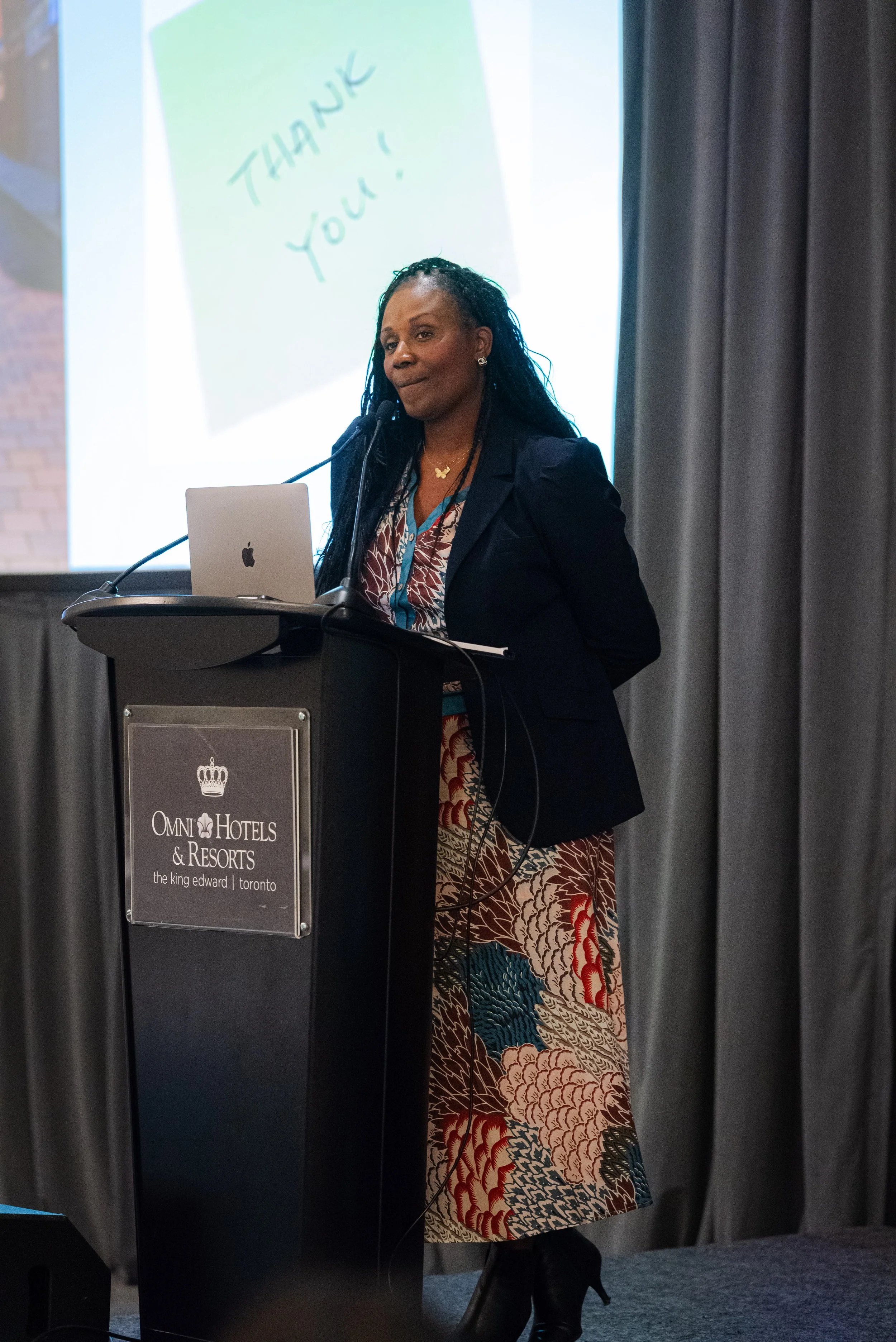
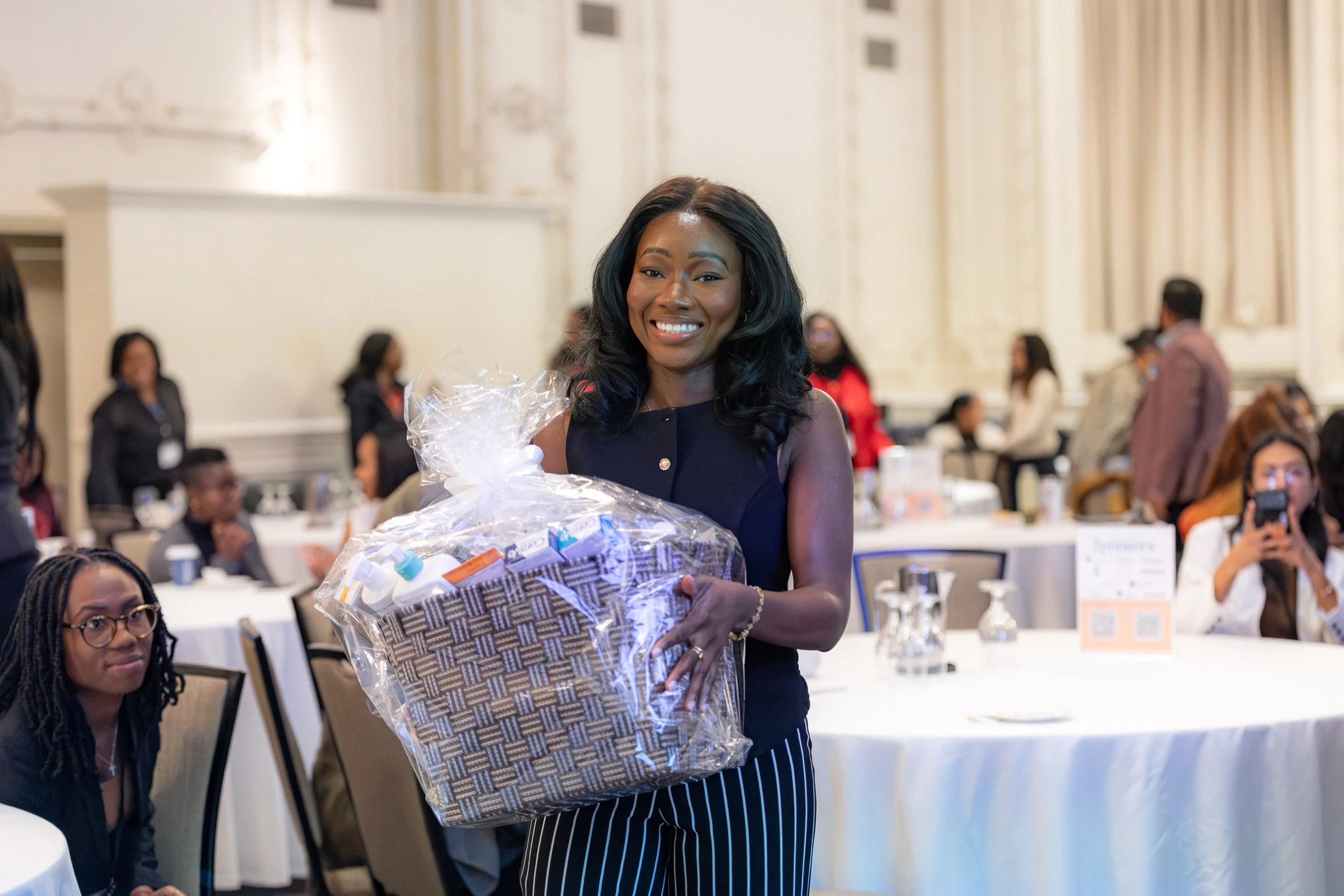
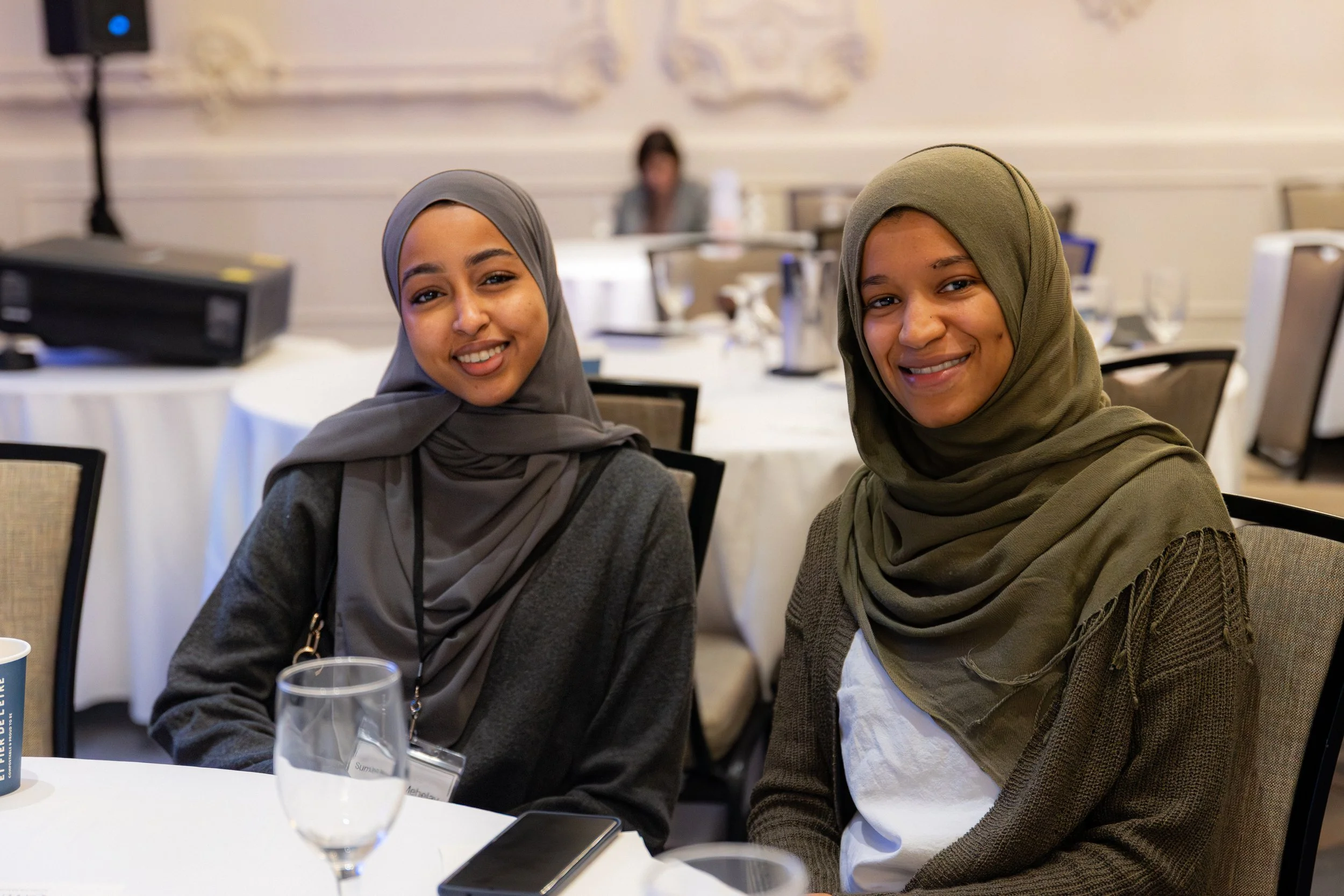
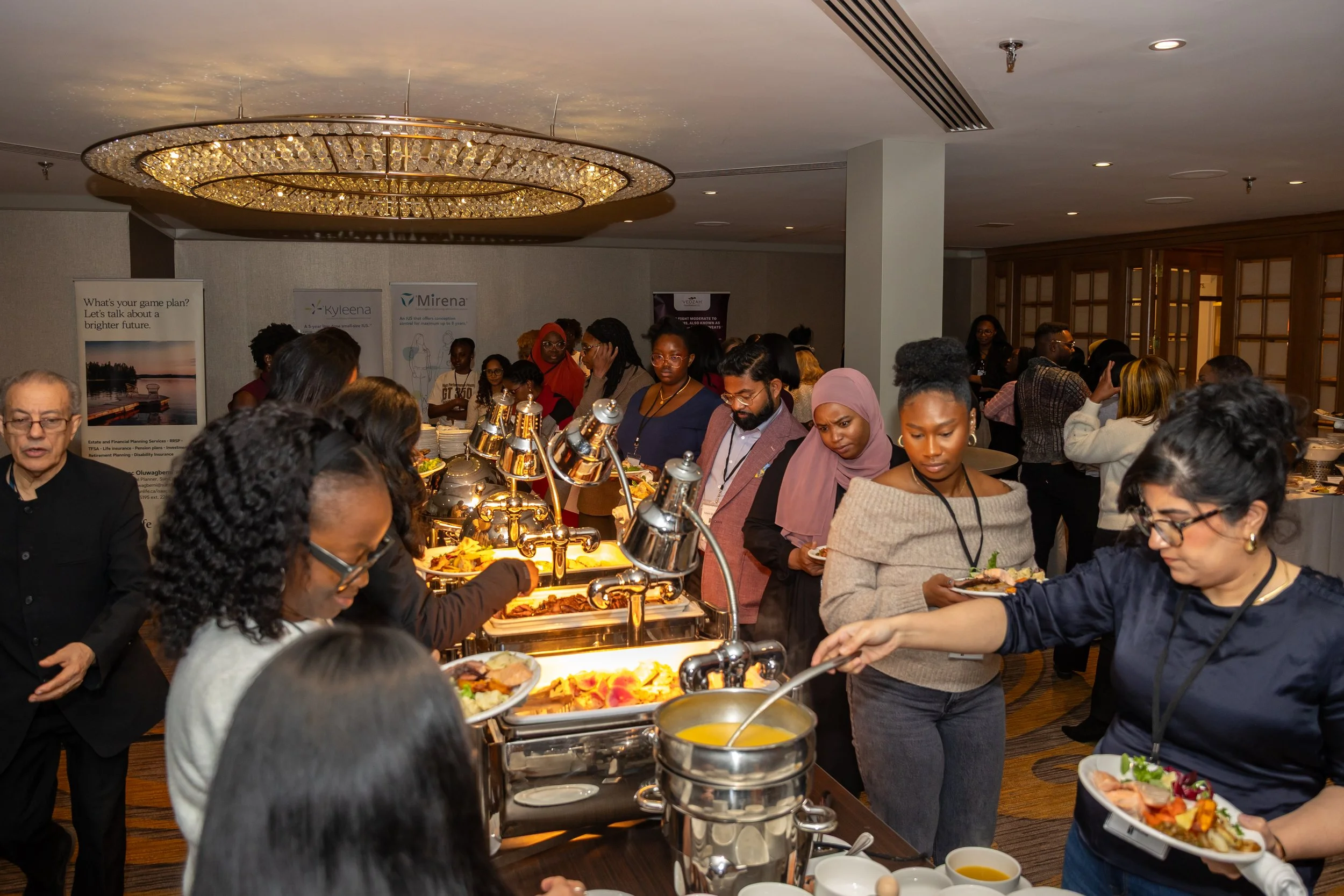
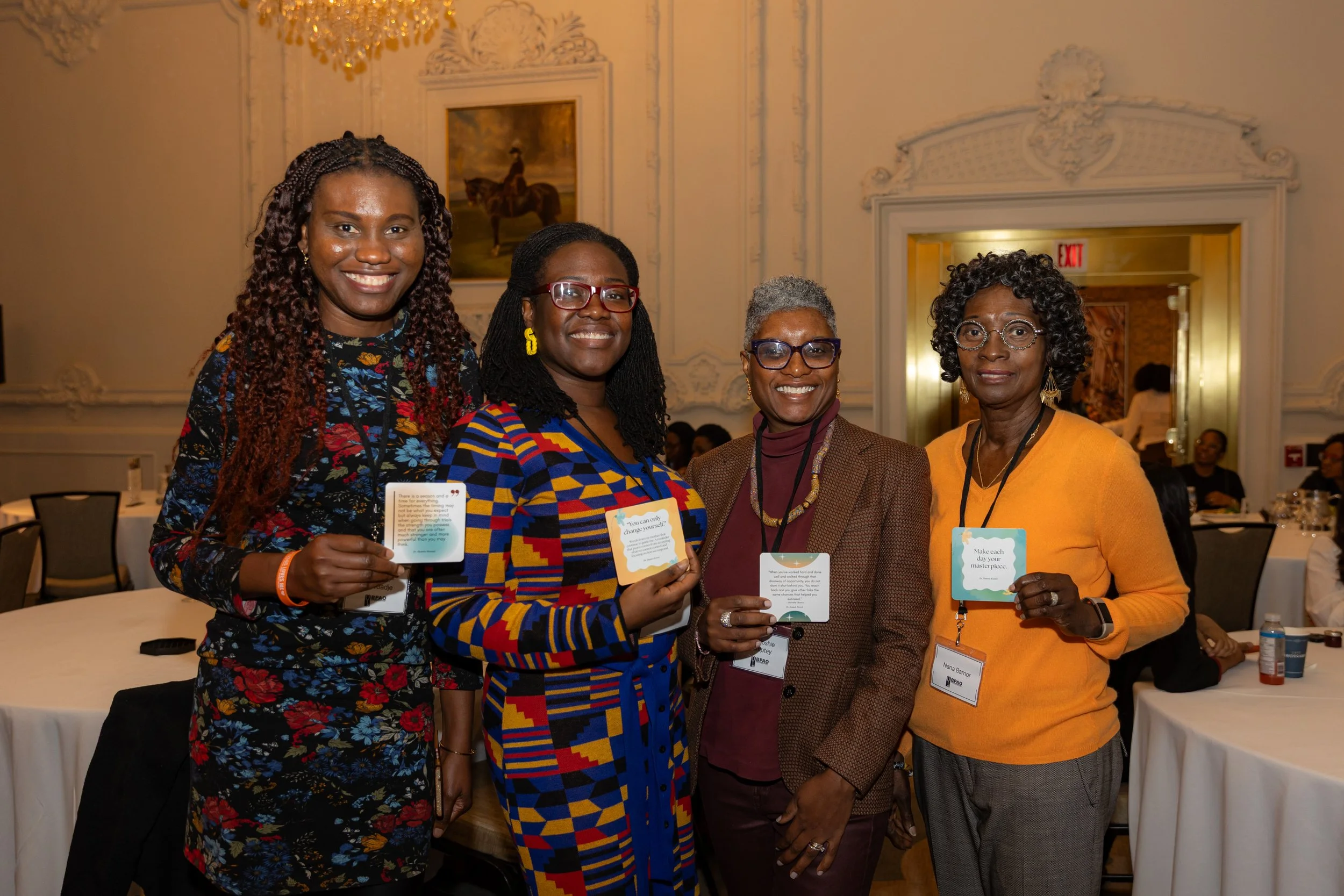
The final sessions of the day were led by two expert physicians, Dr. Abo Akintan and Dr. Aisha Lofters, both brought deep clinical experience and a commitment to equity in care. Dr. Akintan’s session on HIV & Sexual Health (PrEP & PEP) explored how trauma-informed and stigma-free counseling can support patients in making informed decisions, while also addressing the structural and cultural barriers that affect access for Black and other racialized communities. Dr. Lofters’ session on HPV & Cervical Screening highlighted inequities in preventive care, discussing evidence-based strategies and innovations to make screening more accessible and inclusive for Black and immigrant populations.
Throughout the day, participants engaged deeply in case-based discussions, sharing experiences and reflecting on the ways systemic barriers shape patient care. Conversations went beyond clinical practices to explore the broader social and cultural contexts that affect health outcomes, encouraging clinicians to consider not only what they do but how and why they do it. The program fostered thoughtful dialogue, highlighting that culturally safe, equity-informed care is essential to improving health for Black and racialized women.
The BPAO Women’s Health Conference exemplifies the organization’s ongoing commitment to advancing health equity and supporting healthcare providers in responding to the unique needs of these communities. By offering practical strategies alongside nuanced insights, the program strengthened participants’ ability to deliver patient-centered care that is both informed and inclusive.
A heartfelt thank you goes to Bayer, our Platinum Sponsor, for playing a key role in making this event possible. We’re also grateful to Astellas, L’Oréal, Sun Life Maneuver, Anne Marie, iimtree, Timeless Handmade, and Soulful Colour for their continued generosity and support.
We also extend sincere thanks to all speakers, attendees, and supporters, whose engagement and reflection made the day not only instructive but profoundly meaningful. Their contributions underscore the collective responsibility and shared opportunity to advance equity in healthcare.